Overview
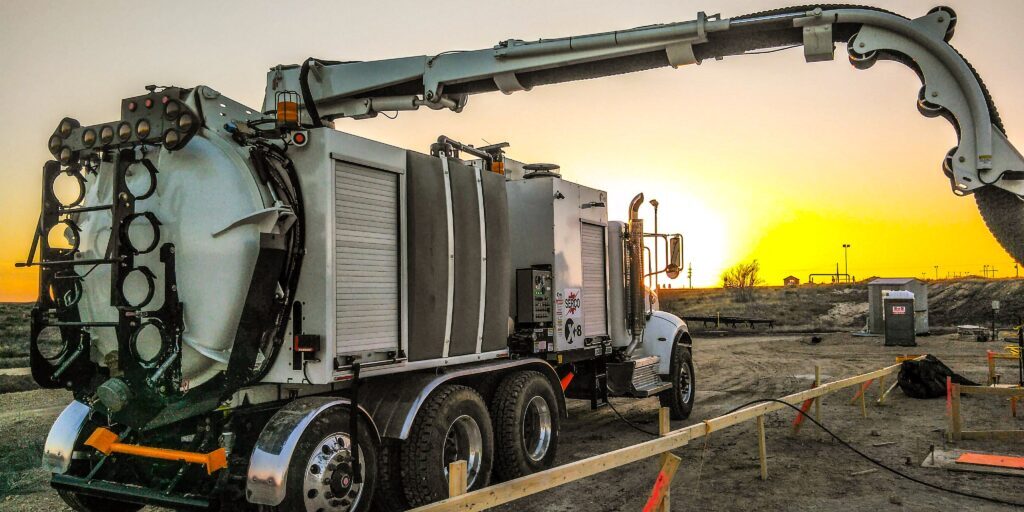
While hydro excavation is generally considered the most efficient and safe excavation technique, in select instances, air excavation may be the better option.
The Challenge
Hydro excavation has become the recognized standard for minimally invasive digging around utility lines. Hydro excavation has, however, several operational limitations. The unit can only continue digging so long as it has fresh water in the tank. High-capacity trucks are available, but higher capacity drives higher total unit weight. A typical large hydro excavator contains around 1,000 – 1,200 gallons of fresh water and is paired with a pump capable of roughly 20 Gallons Per Minute (GPM) usage rate. While this amount of water is usually sufficient for most jobs, very large projects or remote sites may require substantial transit time to refill tanks. Likewise, hydro excavation can produce similar issues when it comes to process waste. Hydro excavation creates a liquid slurry, which is then vacuumed up into the unit debris body. Most dig locations don’t allow this material to be dumped on site, let alone back in the hole. If the nearest dump site is far away from the job site, this can likewise add transit time to the project, reducing overall unit productivity.
The Solution
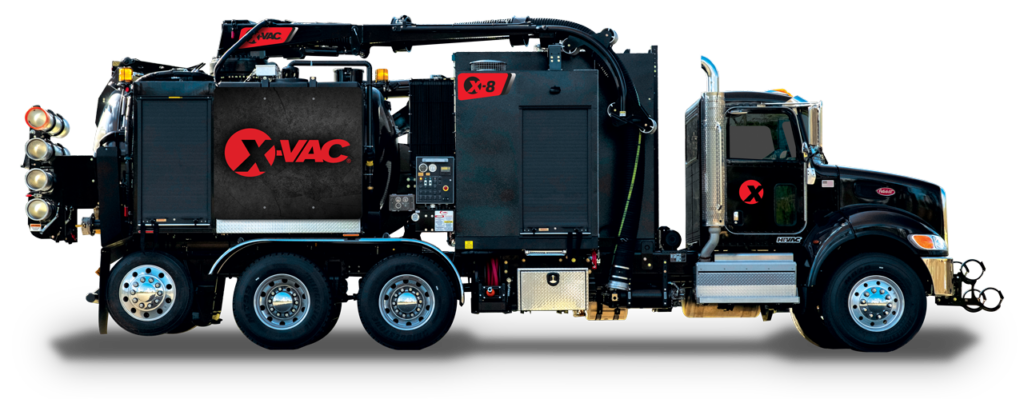
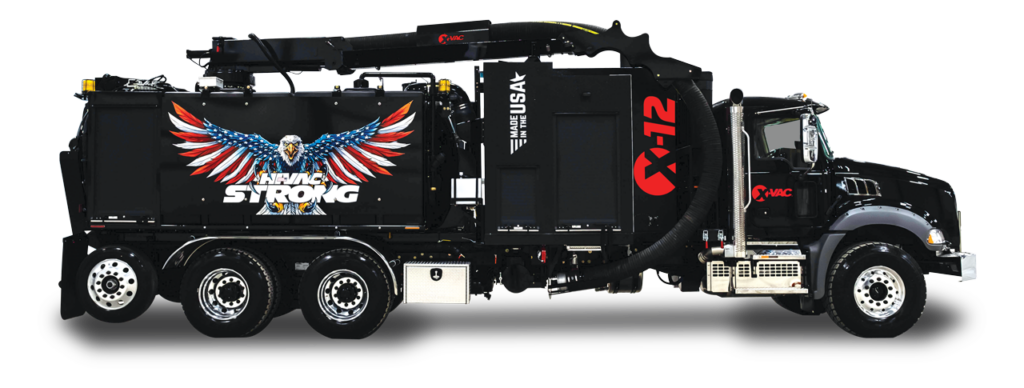
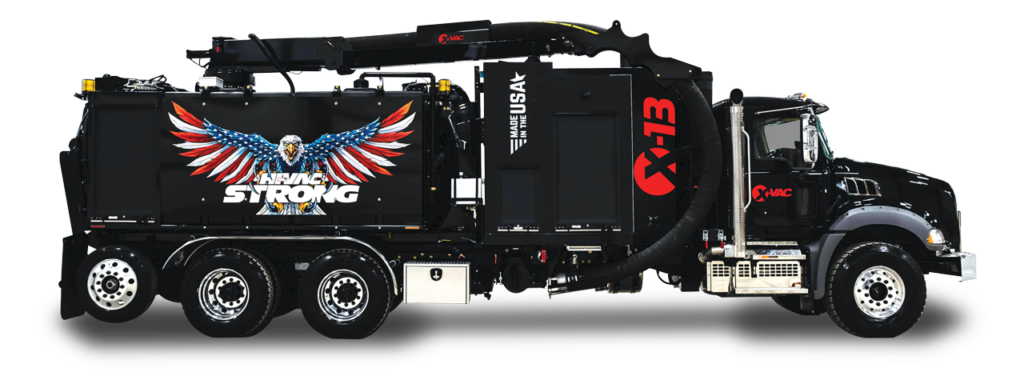
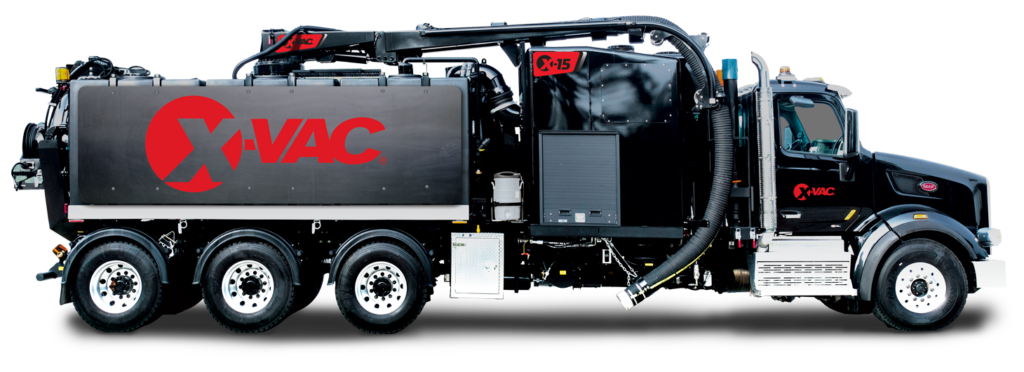
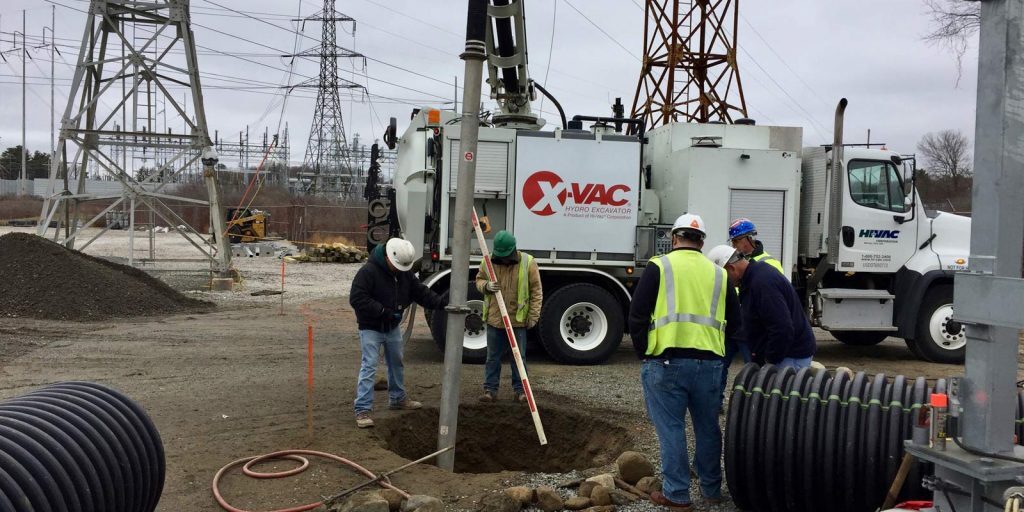
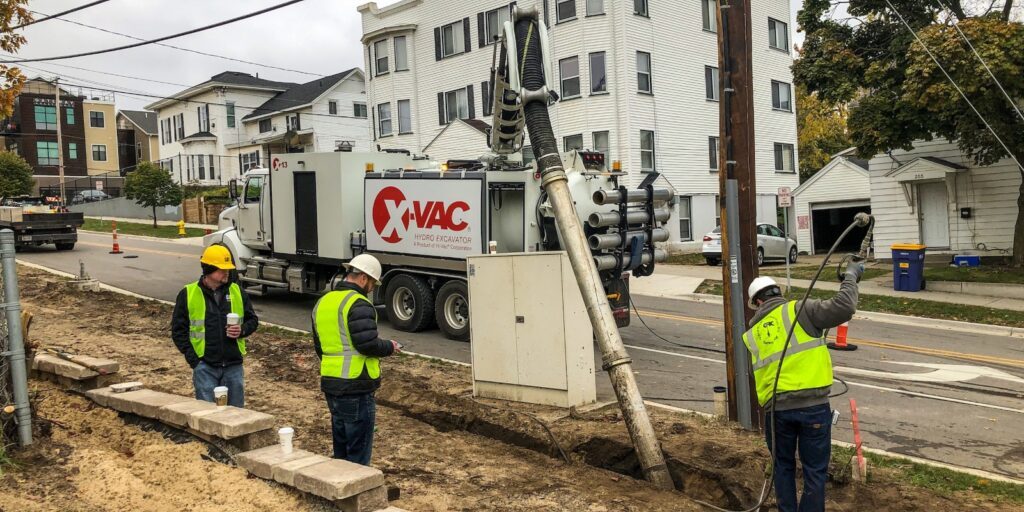
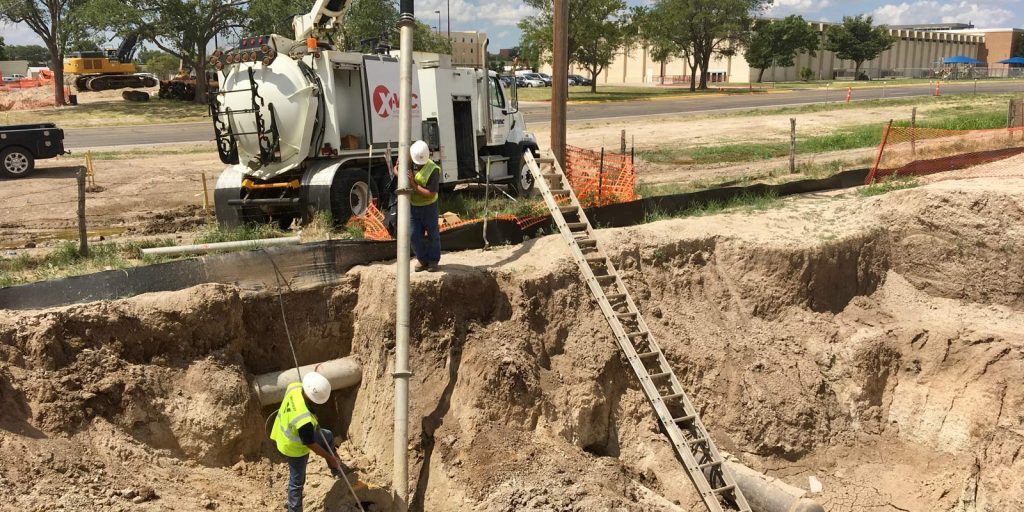
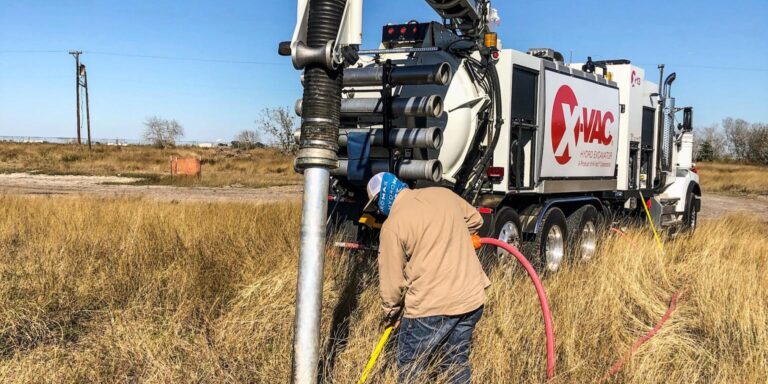
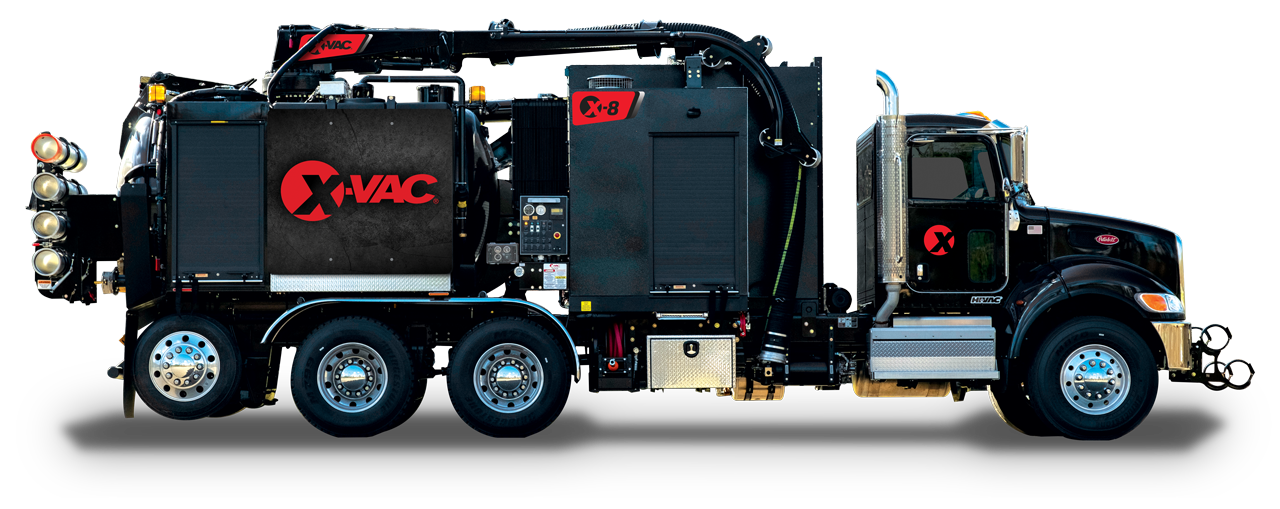
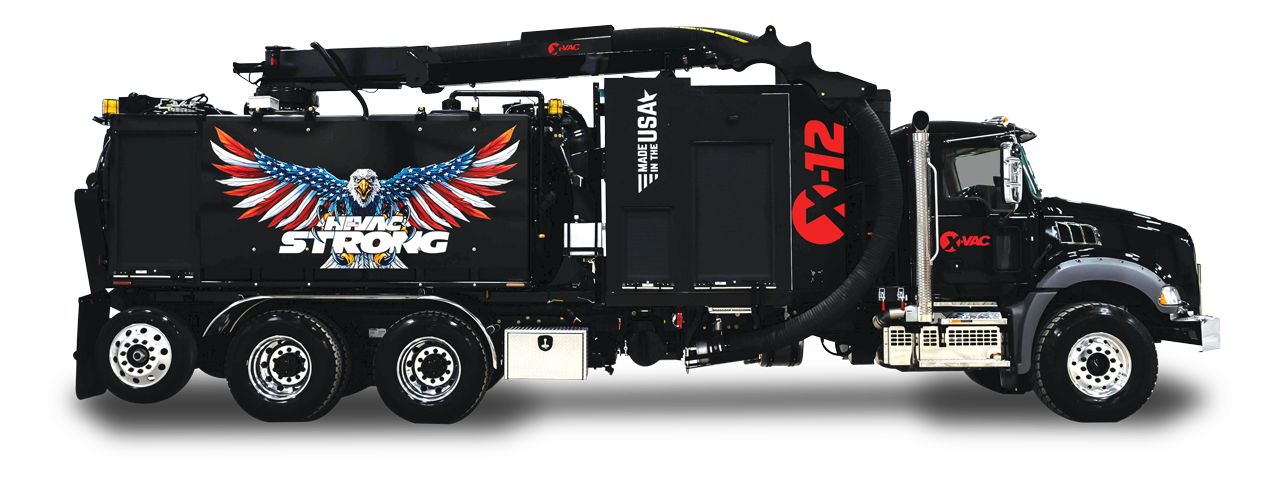
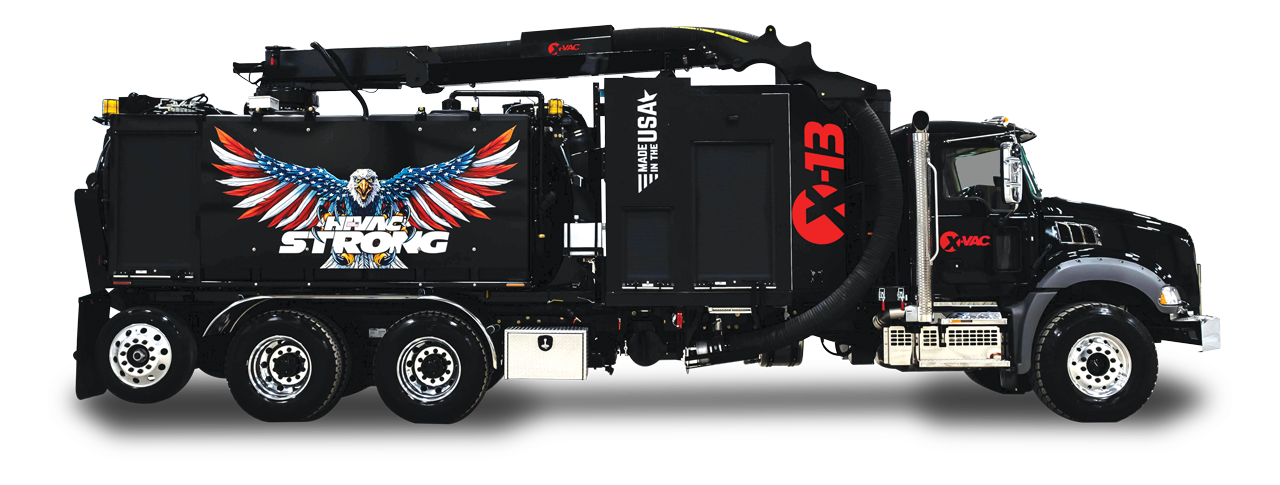
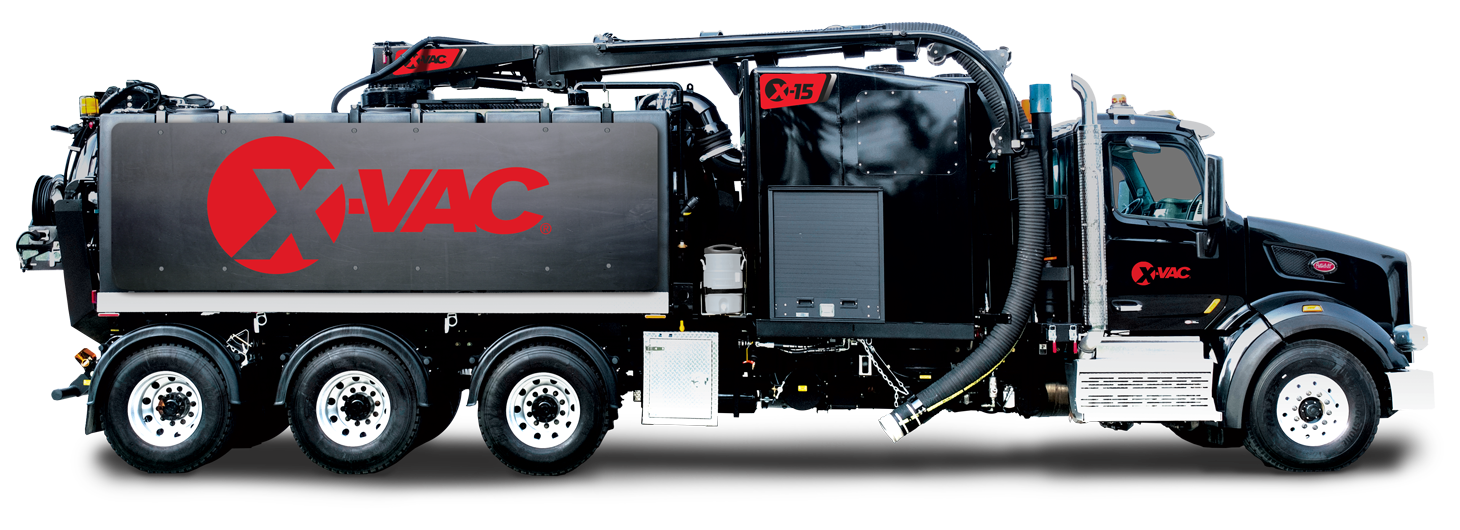
X-Vac offers air excavation systems as an option on all units. High-pressure high-volume air breaks up soil, and like hydro, produces virtually no risk to utility pipes. Unlike hydro excavation, the ability to dig is only limited by the unit’s onboard fuel capacity. On the waste side, soil vacuumed up during the air excavation process is dry, and can almost always be redeposited on site, often back into the original hole or trench. This is of particular use in applications such as general daylighting and potholing for horizontal directional drilling (HDD) for new utility lines, where multiple confirmatory holes are typically created for bore-head path determination. Air excavation’s only significant limitations – it is typically slower in operation than hydro excavation and may be significantly less effective in particularly stubborn or frozen soils.
The Results
- Zero Utility Strikes: precise and impact-free excavation prevents damage to existing infrastructure, avoiding costly repairs, project delays, and customer service interruptions
- Enhanced Safety: significantly reduced risk to workers and nearby personnel
- Minimal Disruption: small and self-contained operating footprint allows trenching to proceed with minimal impact on pedestrian traffic and surrounding businesses
Note
Air and vacuum equipment must always be operated by a properly trained and competent worker, following all safe work practices and documented procedures for this type of equipment